The Missive #83
Golden evenings, chasing aliveness, questioning everything.

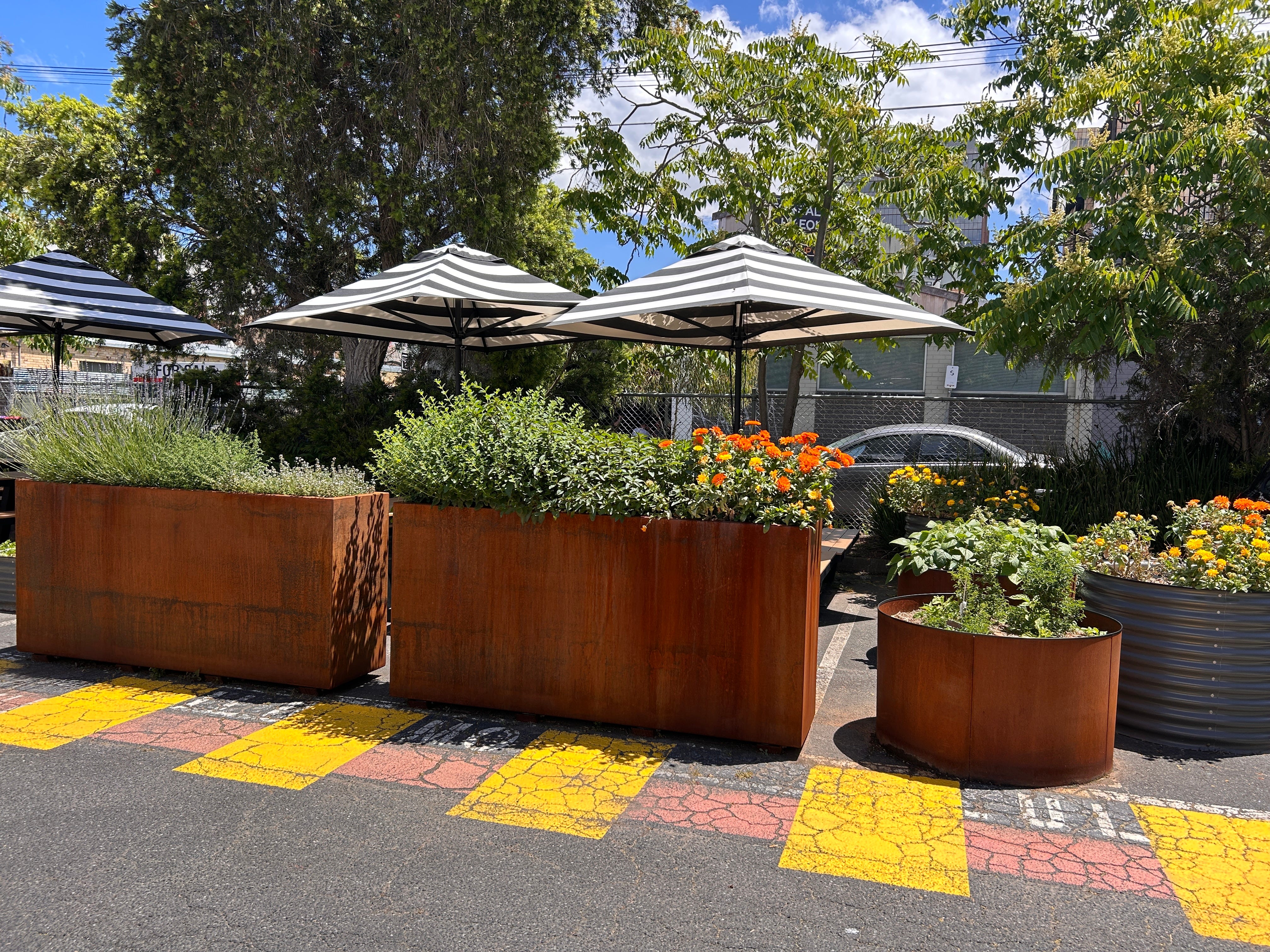
This time last year, I was visiting Melbourne for work. The weather was day after day of glorious summer evenings, where the air is warm and the city’s less appealing quirks are all forgotten in the glow of an 8pm golden hour.
I ate pizza with some of my favourite colleagues at a rooftop bar, and we shared our triumphs and low points of the year. The next night, my friends and I ate ice cream on Smith Street, joking about how we’d furnish the set of a Fringe Festival installation commemorating our friend group’s 20s.
The whole time, my brain was looping:
you can’t keep living how you’re living you need to move back.
I initially dismissed it as me wanting the good times to keep rolling after a couple of long, hard years — life can’t be all rooftop bars, ice cream and good banter, after all. There are some thoughts you think and some thoughts you feel. Every time this thought popped up, I’d cry, or try not to cry. I wept in the Coles carpark. I wept watching L swim in the ocean. I wept driving through the stunning bushland near Lake Macquarie, en route to pick up a treadmill I found on Facebook Marketplace. I wept at my friend G at our regular weekly lunches, hand-waving my way out of an explanation. I gingerly polled my aunts for advice — they both sensibly reminded me that life is about doing things, and it’s not possible to fail at something that isn’t a competitive event.
Then, my Granny died peacefully on a Sunday morning in early February. Two hours later, a tree fell on my house. Granny loved a dramatic flourish and often said, “a little struggle is good for you, and a lot of struggle is better.” L saw a stressful unexpected event that cut power and access to our home. I saw a sign from above.
Moving interstate was stressful, sad and expensive. Saying goodbye to my Newy friends and family was sad and hard. L and I both made friends that saw us in a different way, and I really miss them all.
However, I really believe that if something isn’t right, you need to let it go so it can be “right” for someone else. Our house in Newy that drove us both insane (literally in my case) went to a young family who called it their dream home. Our new place couldn’t be more different in construction or location, but it gives us a healthier and happier lifestyle.
So, if there’s something that other people have told you is annoying western sun but you think it’s really a golden afternoon, don’t be afraid to see if your instincts are right. You can always turn back around.
Links that reveal too much about what I’ve been thinking about in 2025
“There was also something dreadful about that house. Something vacant in the pupil. It was beautiful and doomed, like the late Princess Diana in black velvet frock returning to the table smelling faintly of vomit and spearmint…
Did we all actually go to university in order to become volunteer construction project mangers in the prime of our lives? Apparently yes, because a woman on the brink of marital collapse will risk anything in pursuit of the perfect house. I’ve seen this story play out over and over again.
But surely no one actually believes that doing up a house is a substitute for meaningful work? Or that a perfect house makes for a perfect and harmonious family life? Well adjusted children? Passionate sex? And yet every generation falls for the same trick. Why?”
Leah McLaren - Lily Allen and the delusion of the perfect ‘forever house’
The nuclear family was imposed on us, conditioned into us and incentivized, and the pursuit of alternative models is, in our culture, stigmatized and punished. We default to the nuclear family. We’re supposed to. It’s what we’re assured will make us happy – by dominant culture, by popular and entertainment media, and by our own loved ones, who have also been thus assured. So then if we can’t make it work, we assume it’s our own fault. It’s hard to even recognize how absolutely broken and dysfunctional and unsustainable the whole system is.
So here’s what I want to argue: The nuclear family is a relatively new social construct that benefits wealth and power and capitalism but does not benefit children or families or parents or non-parents or communities or the planet.
“I wish we talked more about the legions of people walking around who have trauma histories who have managed to lead healthy, happy lives… We should talk about this more often, but the narrative, “Actually, many people turn out okay,” does not create a product to sell. There’s no specialized therapeutic intervention to market; no expensive training certificate; no herbal supplement; no motivational speaking gigs. The real money is in stoking the fear that you are not okay.”
Diana Fox Wilson — Your Body Is Not Keeping the Score
I didn’t agree with everything in this piece, but a lot of it resonated with me.
“If you are young, and looking to make your way, be realistic as well as idealistic. Mum and Dad can’t support you forever. The world doesn’t care whether you live or die. Find your own way through the lies and cheats. Including the Be Yourself mantra. You can’t be anything unless you are out there, however humble, testing who this Self is that you want to Be.”
Jeannette Winterson - Passion or Process?
Maybe this is how wealth corrupts: not by making people evil, but by creating psychological distance from the lived experiences of others. Maybe wealth allows people to internalize ‘success’ as a reward that affirms their superiority and assuages any lingering guilt.
Monica Harris - My conversation with a wealthy friend
Music
My favorite albums of 2025:
Ninajirachi - I Love My Computer
Hayley Williams - Ego Death at a Bachelorette Party
Songs that summed up my vibe in 2025:
Hayley Williams - Kill Me (it’s not that dramatic but also sometimes it is)
More
A measured look at the culinary and cultural abomination that is the KFC banh mi
This book “Tripping On Utopia” about the dawn of research into psychedelics was incredible. Everyone thinks about the swinging 60s as the height of it, but a group of academics were experimenting with LSD from the 1930s to the 1950s, most of them with high hopes that widespread use of it could heal humanity and bring world peace. Obviously that didn’t happen, but it was fascinating to see the domino effect of events triggered by these experiments.1
Not limited to: MKUltra, injecting dolphins with LSD until they killed themselves, the rise of modern day Silicon Valley, grappling with climate change, using psychedelics to torture POWs, and of course, the politics around the bisexualty of the two main subjects. Wild ride.
But how good was Gaga? OMG!